





WELCOME TO DIGITAL TOWN
Finally ! We are here in a ‘digital town’ ~ Space for online people where you can shop the lovely and copyrighted digital products such as digital planners, fonts, icons, etc.
: เดินทางเข้ามาสู่เมืองสำหรับสายดิจิทัล พื้นที่สำหรับคนรุ่นใหม่ เอาใจสายออนไลน์โดยเฉพาะ มีสินค้าน่ารัก ๆ ให้เลือกช้อปมากมายเช่นกัน ทุกคนสามารถเลือกซื้อสินค้าดิจิทัลแบบถูกลิขสิทธิ์กันได้ที่นี่!
The Evolution of Football Betting Explained by Betzoid
Football and betting have shared an intertwined history for well over a century, evolving together in ways that reflect broader shifts in technology, regulation, and cultural attitudes toward sport. What began as informal wagers exchanged between friends on match days has transformed into a sophisticated, multi-billion-dollar global industry. Today, platforms like Betzoid help bettors navigate this complex landscape by providing analysis, comparisons, and educational resources. Understanding how football betting reached its current state requires looking back at its origins, examining the structural changes that reshaped it, and appreciating the technological revolution that continues to redefine how fans engage with the sport they love.
The Historical Roots of Football Betting
The origins of football betting can be traced back to the late 19th century in England, where association football was rapidly gaining popularity among the working class. As professional leagues began to take shape following the formation of the Football League in 1888, spectators naturally started placing informal bets on match outcomes. These early wagers were unregulated, often handled by local bookmakers who operated in the shadows of legality, taking bets in pubs, on street corners, and at stadium entrances.
The football pools system, introduced in the 1920s by companies such as Littlewoods and Vernons, represented the first major organized form of football betting in Britain. Participants would predict the outcomes of multiple matches, typically aiming to identify score draws, and submit their entries by post or through local collectors. At its peak in the 1950s and 1960s, the football pools attracted millions of participants each week, becoming a deeply embedded part of British working-class culture. The pools were not merely a gambling mechanism; they were a social ritual that brought communities together around shared anticipation and the dream of life-changing winnings.
Fixed-odds betting on football became more structured following the Betting and Gaming Act of 1960 in the United Kingdom, which legalized off-course cash betting and permitted the establishment of licensed betting shops. This legislation transformed the industry overnight. Thousands of high-street bookmakers opened their doors, and football betting became a mainstream leisure activity rather than a clandestine pursuit. William Hill, Ladbrokes, and Coral emerged as dominant forces during this era, establishing the foundational infrastructure of modern sports betting. The odds offered were primarily focused on match results — home win, away win, or draw — reflecting the relatively simple analytical tools available at the time.
Throughout the 1970s and 1980s, football betting remained relatively static in terms of market variety. Accumulators, where bettors combined multiple match predictions for higher potential returns, gained enormous popularity. The concept was straightforward and deeply appealing: a small stake could theoretically yield extraordinary profits if multiple correct predictions were strung together. This format reinforced the aspirational nature of football betting and cemented the accumulator as a cultural institution in British betting, a tradition that persists powerfully to this day.
The Digital Revolution and the Expansion of Markets
The arrival of the internet in the mid-1990s fundamentally disrupted the established order of football betting. Betfair, launched in 2000, introduced the concept of the betting exchange, allowing individuals to bet against one another rather than against a bookmaker. This peer-to-peer model offered better odds and introduced new possibilities such as laying selections — betting that a team would not win — concepts that had previously been unavailable to ordinary bettors. The exchange model represented a philosophical shift in how football betting was conceptualized, moving it closer to financial trading in its mechanics and mindset.
Online sportsbooks proliferated rapidly in the early 2000s, driven by permissive offshore licensing regimes in jurisdictions such as Gibraltar, Malta, and the Isle of Man. Bettors could now access dozens of markets on a single match, moving far beyond the simple 1X2 result. Correct score markets, both teams to score, Asian handicaps, and player-specific propositions became standard offerings. The sheer breadth of available markets demanded a new level of analytical sophistication from bettors, and resources dedicated to helping people make more informed decisions became increasingly valuable.
It is within this context of expanding complexity that platforms like Betzoid emerged as genuinely useful navigational tools. For bettors seeking to improve their decision-making, consulting well-researched football betting tips became an essential part of the preparation process, offering data-driven perspectives on team form, injury news, tactical considerations, and historical head-to-head records. This shift toward informed, analytical betting represented a maturation of the broader betting culture, moving it away from pure intuition toward something more resembling structured research.
The introduction of live, or in-play, betting marked another transformative milestone. Enabled by faster internet connections and real-time data feeds, in-play betting allowed wagers to be placed while matches were in progress. Odds fluctuated dynamically based on events unfolding on the pitch, creating an entirely new dimension of engagement. A goal, a red card, or an injury could instantly reshape the betting landscape, rewarding those with sharp analytical instincts and fast reactions. In-play betting now accounts for a substantial proportion of total football betting turnover globally, with some estimates suggesting it represents more than 70 percent of activity on major matches.
Mobile technology accelerated these trends dramatically. The widespread adoption of smartphones from around 2010 onward meant that bettors could place wagers from virtually anywhere, at any time. Betting apps became sleek, intuitive platforms offering the full range of markets, live streaming, cash-out functionality, and personalized notifications. The friction that had previously existed between impulse and action was effectively eliminated, raising important questions about responsible gambling that regulators and operators continue to grapple with today.
Regulation, Data, and the Modern Betting Ecosystem
The rapid growth of online football betting prompted governments around the world to reassess their regulatory frameworks. The United Kingdom Gambling Act of 2005 sought to create a more coherent licensing regime, though critics argued it failed to anticipate the scale of online growth. Subsequent reviews, including the ongoing Gambling Act Review initiated in 2020, reflect ongoing efforts to balance consumer protection with commercial freedom. Similar regulatory evolutions have occurred across Europe, with Germany, the Netherlands, and Sweden all introducing new licensing frameworks in recent years to bring previously grey-market operators into regulated environments.
The legalization of sports betting in the United States following the Supreme Court’s 2018 ruling in Murphy v. National Collegiate Athletic Association opened what many analysts consider the most significant new market in the history of the industry. Individual states moved quickly to establish their own regulatory frameworks, and football — both American football and increasingly soccer — became a central pillar of the newly legal betting landscape. The scale of American consumer spending power introduced enormous new capital flows into the global betting industry and accelerated innovation in product development and marketing.
Data has become the lifeblood of modern football betting. Advanced statistical models, drawing on granular match data covering everything from expected goals and pressing intensity to individual player positioning, now underpin both the odds-setting processes of bookmakers and the analytical approaches of sophisticated bettors. Companies specializing in sports data, such as Opta and StatsBomb, supply the raw material for an entire ecosystem of analysis. Betzoid and similar platforms synthesize this data into accessible insights, helping ordinary bettors engage with the same informational landscape that professionals navigate.
Artificial intelligence and machine learning have further transformed odds compilation. Modern bookmakers deploy algorithmic systems capable of processing vast datasets and adjusting prices in milliseconds. These systems can identify patterns invisible to human analysts and respond to market movements with extraordinary speed. The arms race between bookmakers seeking to maintain their edge and sophisticated bettors attempting to identify value has driven both sides toward increasingly advanced methodologies. For recreational bettors, this underscores the importance of approaching football betting with realistic expectations and a clear understanding of the structural advantages bookmakers hold.
Integrity in football has also become a pressing concern as betting markets have grown. Match-fixing scandals, from the Italian Calciopoli affair to various lower-league controversies across Asia and Europe, have demonstrated the corrupting potential of unregulated gambling money. Organizations such as Sportradar now operate sophisticated alert systems that monitor betting patterns for suspicious activity, working in partnership with governing bodies to protect the sport. The relationship between football and betting, while commercially symbiotic, carries inherent tensions that require constant vigilance from all stakeholders.
The Future Trajectory of Football Betting
Looking ahead, several emerging trends are likely to shape the next phase of football betting’s evolution. The integration of cryptocurrency and blockchain technology promises greater transparency in transaction processing and the potential for decentralized betting platforms that operate without traditional intermediaries. While still in relatively early stages of adoption, crypto-based betting has attracted significant interest, particularly among younger demographics comfortable with digital assets.
Virtual and augmented reality technologies may eventually transform how bettors experience football, creating immersive environments where the boundary between watching and participating becomes increasingly blurred. Esports and virtual football simulations already attract substantial betting activity, suggesting that the definition of football betting itself may broaden considerably in coming decades.
Personalization will likely deepen significantly. Machine learning algorithms already enable bookmakers to tailor product offerings to individual behavioral profiles, but future iterations may deliver hyper-personalized betting experiences that adapt in real time to a user’s preferences, risk appetite, and historical patterns. This raises profound questions about the ethics of personalization in a gambling context, particularly regarding vulnerable individuals.
Responsible gambling will inevitably become a more central feature of the regulatory landscape. Growing evidence of gambling-related harm has prompted calls for stricter advertising restrictions, mandatory affordability checks, and enhanced self-exclusion mechanisms. Betzoid and responsible platforms in the educational space have a meaningful role to play in this environment, promoting informed, analytical engagement with football betting rather than impulsive or emotionally driven wagering.
The trajectory of football betting over the past century reflects the broader story of modernization: the movement from informal, community-based practices toward technologically sophisticated, globally connected systems. Each phase of this evolution has brought new opportunities alongside new challenges, and the industry’s capacity to adapt has been remarkable. What remains constant is the fundamental human desire to add an additional layer of engagement to the beautiful game — a desire that shows no signs of diminishing.
Conclusion
The evolution of football betting represents one of the most dramatic transformations in the history of leisure and commerce. From the football pools of the 1920s to the algorithmic, mobile-first platforms of today, the journey reflects changing technologies, shifting regulations, and deepening analytical sophistication. Betzoid’s role in this ecosystem — providing bettors with structured knowledge and comparative resources — exemplifies the broader maturation of the industry. As football betting continues to evolve, the most enduring lesson is that informed engagement, grounded in research and realistic expectations, remains the most sustainable approach for anyone participating in this dynamic and ever-changing landscape.
RECOMMENDED
-

FAHFAHS | ICON ( BUN BUN )
Total sold: 1416
-
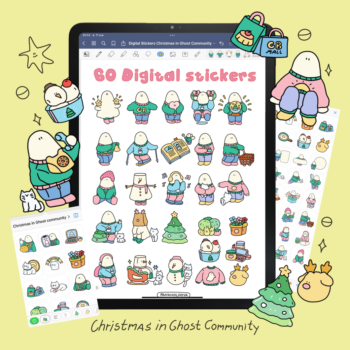
PANAHOLOOYA | DIGITAL STICKER (Christmas in Ghost Community)
Total sold: 53

-

CHORDORPOR | GOODNOTES SET (naughty)
Total sold: 69
-

GIBBI HOUSE | DESKTOP ICONS
Total sold: 9
-

PONPINNNNN | DIGITAL STICKER (2000s Fashion)
Total sold: 29
-

NATTAPOHNCHA | COMMERCIAL PATTERN (ฺCUTE BEAR)
-

BBNJUK | DIGITAL NOTEBOOK ( TULIP)
Total sold: 6
-

THE BUTTER AND SCOTCH | DIGITAL STICKERS (Note)
Total sold: 1518
-

CUTIEPIEBMINE | DIGITAL STICKER (summer)
Price range: 50.00 ฿ through 100.00 ฿ Select options This product has multiple variants. The options may be chosen on the product pageTotal sold: 3
-

ANOTHER MORNING | DIGITAL STICKER (Get ready with me)
Total sold: 65
-

SILIN | PROCREATE CHAIN BRUSH (NORMAL)
Total sold: 5
-

FAHFAHS | DIGITAL PACK (Fly me)
Total sold: 244
-

NOVEMBER28 | ICON (happianet)
Total sold: 32
-

BOMBZSTUDIO | DIGITAL MINI STICKER (Clay bombz)
Total sold: 78
-
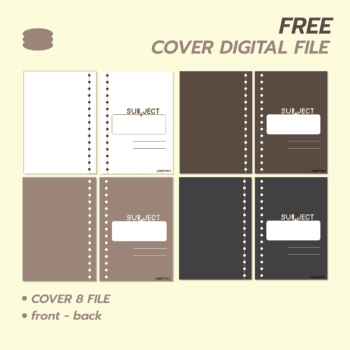
(FREE !) GIBBI HOUSE | DIGITAL COVER MEMO (brownie)
Total sold: 3613
-
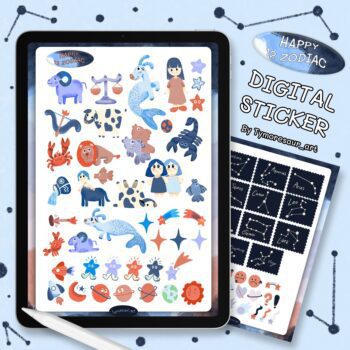
TYMORESAUR_ART | GOODNOTES STICKER SET (Happy 12 Zodiac)
Total sold: 12
-

JAMOOKNOSE | FONT (dino)
Price range: 99.00 ฿ through 499.00 ฿ Select options This product has multiple variants. The options may be chosen on the product pageTotal sold: 28
-

BUBBLEPOPP | DIGITAL MEMO SHEETS & PAPERS C1
Total sold: 13
-

MINIGINN | DIGITAL PACK (Oat Town)
Total sold: 7
-

SARUN CHARM | DIGITAL PACK (Bearing)
Total sold: 14
-
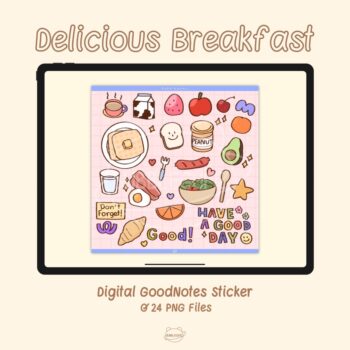
BBUBBLEGUMZ | GOODNOTES DIGITAL STICKER (Delicious Breakfast)
Total sold: 7
-

ABLYLAND | GOODNOTES DIGITAL PACK (Study gang)
Total sold: 31
-

MINTKEJ | DIGITAL PACK (Beary!)
Total sold: 14
-

IXLOGO | DIGITAL STICKER (32 pcs PNG food + drinks!)
Total sold: 138
-
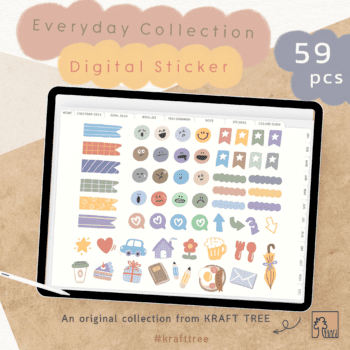
MASCOTEERS | DIGITAL STICKER (Every day Collection)
Total sold: 84
-

CHONNI.ANDCO | APP ICONS AND WALLPAPERS (Money & Success)
Total sold: 67
-

FLUFFPUFFY | ICON AND WALLPAPER (Spring Time)
Total sold: 181
-

CEREALS & BOWL | GOODNOTES DIGITAL STICKER (100 stickers)
Total sold: 77
-

GIGI AND KOKO | GOODNOTES DIGITAL NOTEBOOK (Melody in moon night)
Total sold: 28
-

MINTKEJ | FONT (tungjai)
Price range: 99.00 ฿ through 299.00 ฿ Select options This product has multiple variants. The options may be chosen on the product pageTotal sold: 83
-
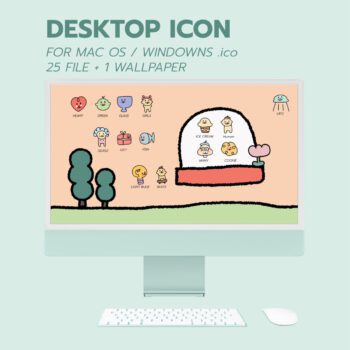
GIBBI HOUSE | DESKTOP AND MAC ICONS
Total sold: 25
-

CEREALS & BOWL | FONT (Frootloops)
Price range: 59.00 ฿ through 159.00 ฿ Select options This product has multiple variants. The options may be chosen on the product pageTotal sold: 149
-

FLUFFPUFFY | DIGITAL NOTEBOOK (Circus)
Total sold: 35
-

FAHFAHS | FONT (curvy)
Price range: 99.00 ฿ through 299.00 ฿ Select options This product has multiple variants. The options may be chosen on the product pageTotal sold: 40
-

ATMONDAY28 | FONT (flower)
Price range: 89.00 ฿ through 269.00 ฿ Select options This product has multiple variants. The options may be chosen on the product pageTotal sold: 65
-

CEREALS & BOWL | GOODNOTES DIGITAL STICKER (Chemistry starter pack)
Total sold: 80
-

IXLOGO | FONT (ixlogo)
Price range: 149.00 ฿ through 399.00 ฿ Select options This product has multiple variants. The options may be chosen on the product pageTotal sold: 2873
-

(FREE !) THE BUTTER AND SCOTCH | PAPER AND MEMO
Total sold: 39510
-

SKYBLUE.MTN | DIGITAL STICKER (Beary’s Things)
Total sold: 11
-

SARUN CHARM | DIGITAL PACK (MAY)
Total sold: 8
-

XMYYYZ STUDIO | DIGITAL STICKER (Mr. fluffy in cozy Christmas)
Total sold: 116
-

BBUBBLEGUMZ | GOODNOTES DIGITAL STICKER (Science Deco)
Total sold: 8
-

JAMOOKNOSE | DESKTOP ICON FOR MAC AND WINDOWS (in the ocean)
Total sold: 80
-

CHONNI.ANDCO | APP ICONS AND WALLPAPERS (One fine autumn)
Total sold: 81
-
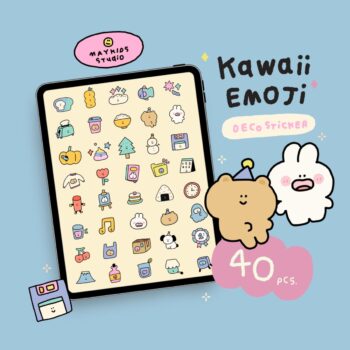
MAYKIDS STUDIO | DIGITAL STICKER (Gourmet & Parfait : Kawaii emoji)
Total sold: 113
-

FLUFFYOMELET | DIGITAL PACK (Fluffy Summer!)
Total sold: 130
-

SKYBLUE.MTN | DIGITAL PACK (Gemstone)
Total sold: 4
-
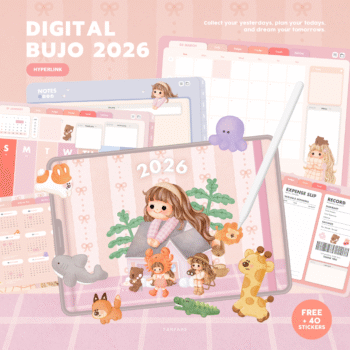
FAHFAHS | Digital BUJO (2026 Planner)
Total sold: 748
-

EaseAround|DIGITAL STICKER PRODUCTIVE BUT BETTER TOMORROW
Total sold: 129
-
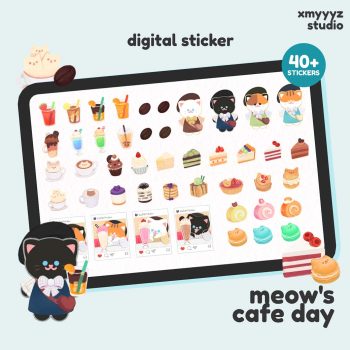
XMYYYZ STUDIO | DIGITAL STICKER (meow’s cafe day)
Total sold: 55